

Freight spend has risen substantially over the last few years with a 2017 total freight spend in the U.S. being 1.5 Trillion dollars which is a 6.2 % rise according to the Wall street journal
For small businesses navigating the constantly changing freight and logistics market can be quite intimidating as well as more expensive than you think, but it doesn’t have to be.
There are several steps that any small business should take to make sure they are fostering the most efficient supply and logistics chain as possible.
1, Technology adoption
This is perhaps the most important element to amplify your ability to review and improve your supply chain. If you are not using some form of transportation and shipping software to track freight spend, shipment timing and warehouse inventory then this needs to be an immediate priority. Data analytics will be the bedrock off which you base your supply chain and adjust it over time to reduce costs and improve service levels. Without strong data analytics you are shooting in the dark and making changes based off of baseless assumptions that lack real objective numbers to back them up.
Shipment tracking is also critical to your logistics plan because it allows you to quickly and easily let a customer know when an outbound load will arrive, as well as let your warehouse and dock team know when to expect an inbound shipment. Many third party providers and carriers provide some sort of shipment tracking, if they don’t think about looking at other providers. Shipment tracking is so important because it helps you create a more efficient dock operation and prevents your team from wasting time by having to call a provider multiple times asking where a shipment is.
Technology is progressing rapidly in the logistics industry due to the large amount of opportunities and efficiencies it provides, don’t miss out on the insights a good shipment management system or technology based 3pl can provide!
2.Supply side spend can add up
Getting your product to a paying customer or distributor is generally deemed more important than the supply side of your business. We’ve seen instances of shippers; especially smaller ones who closely monitor their outbound freight spend and service, but are much more hands off on the supply side. Many times companies let their suppliers handle the inbound freight and the cost of shipping is basically considered part of the purchase price of what they are providing. This does simplify the process, and prevents you from having to build processes for inbound logistics, however also it leaves opportunities on the table for improved efficiency at your own freight docks and in the amount you spend on the inbound freight.
Start talking with suppliers and your logistics providers about the costs involved with routing your own inbound freight. If there is a substantial cost savings present, start a trial moving some of your inbound freight then slowly expand this as your inbound freight processes solidify and develop. As you transition to controlling your inbound freight, not only will your transportation costs as a whole decrease, but also this will give you more control over your dock and warehouse capacity, as you’ll be able to plan arrivals and loadings/unloadings more ideally for your dock team to efficiently and quickly handle them.
3. Warehouse inventory levels
Inventory holding costs can add up substantially as can the amount of capital that is tied up in inventory. For a small business this can put pressure on your cash flow, and reduce your ability to organically grow with increased demand and product shipped.
The most important boost to efficiency in the warehouse can arise from tracking inventory turn and carefully tracking the amount of capital tied up in your inventory as well as the cost for holding inventory. This is a complicated balance for any company, but often can be even more challenging for small businesses that lack the extra man power and extra capital to spare.
Going back to point number one, technology can be an immense help, take a look at the various warehouse and inventory management software tools available, implementing warehouse management software will provide you the data you need to make appropriate changes.
As you analyze data, you might realize it is more efficient and cost effective to house inventory in smaller quantities at several warehouses instead of keeping it all in one central location. Take a look at shipping lanes and where your customers are located and you might find that spending more on warehousing will drastically reduce your freight spend for an overall gain.
4. A balance of modes
It is easy to get in a habit of using one mode of transportation for your freight, but this would be overlooking the efficiencies of alternate modes. Lots of small business rely heavily on parcel or LTL shipments, but could benefit financially from combing several LTL shipments into a FTL for the lanes that would support the volume. Per volume of product shipped, FTL will be less costly, and when combined with remote warehouses can really reduce your freight spend overall.
If your business relies heavily on OTR trucking, considering utilizing more than one carrier, many small businesses overly rely on one provider. This is great for building a relationship, but can be a major liability if that carrier has an internal issue or even something so much as a change of management which affects service or rates dramatically. Start utilizing and building relationships with several carriers and potentially add some owner-operators into your carrier pool as well, this will let you get more competitive rates as well as better service in the long run. Again, diversity is key to a resilient logistics plan.
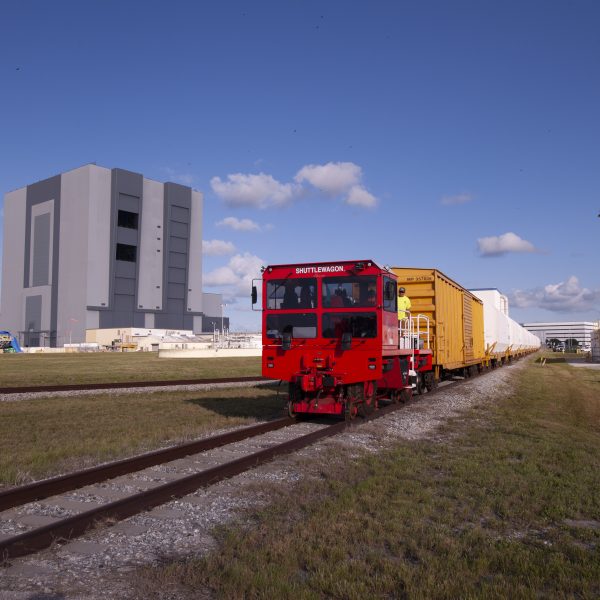
Intermodal is another option that most small businesses do not consider. Intermodal is the process of using a container moved by trucks for first and least mile, then transloading the container onto a railroad for the long haul portion of the trip. When the shipments are longer than 500-800 miles (depending on lane) in distance and are not highly expedited in nature, intermodal shipping will have a 10-20% cost savings over long haul OTR trucks.
Another advantage to moving a portion of your freight via intermodal is guaranteed capacity. We’ve all been there, in a panicked situation during a capacity shortage trying to find trucks to get freight to the customer, but utilizing intermodal on a portion of shipments will lessen the effects of a trucking shortage on your business. A robust supply chain is built on a diverse group of services and carriers, so if there is an issue in one lane or mode, your business left handing.
5. Robust Processes
Small businesses don’t always emphasize the use and development of processes throughout their business. Processes development, particularly with logistics can be critical though when the inevitable issue arises. The most basic way to build a logistics process is to simply document each step you take for both inbound and outbound logistics, make sure to be detailed and include any relevant contact information for each step. Each team member that is involved with the warehouse or logistics and even production operations, should understand these processes and why each step exists. By doing this you are insuring that if an emergency arises and a team member is not present, your logistics operations can continue with relative normality. Overtime, as your team becomes comfortable with them, they will identify areas that could improve and ( efficiency hitches) in the supply chain. Combing these process reviews with the data you collect from step one, you will be able to continually improve your supply chain and freight movement.
Try implementing these 5 top logistics hacks for small businesses and let us know how it goes! Follow the five small business supply chain tips above and you will take control of your logistics spend and create a more efficient shipping department in the process. Do you have any other tips you think should be added? Let us know in the comments below.
Look for more updates from Zmodal very soon. If you need any help moving freight give us a call! Moving freight and using the intermodal network has never been easier with our digital intermodal and trucking platform that is used as a customer shipment dashboard for our customers!

Comment